What is Mesh Fabric? The Complete Guide to Mesh Fabric for Apparel Manufacturing
- Share
- publisher
- Marvin
- Issue Time
- Dec 13,2025
Summary
What is Mesh Fabric? The Complete Guide to Mesh Fabric for Apparel Manufacturing
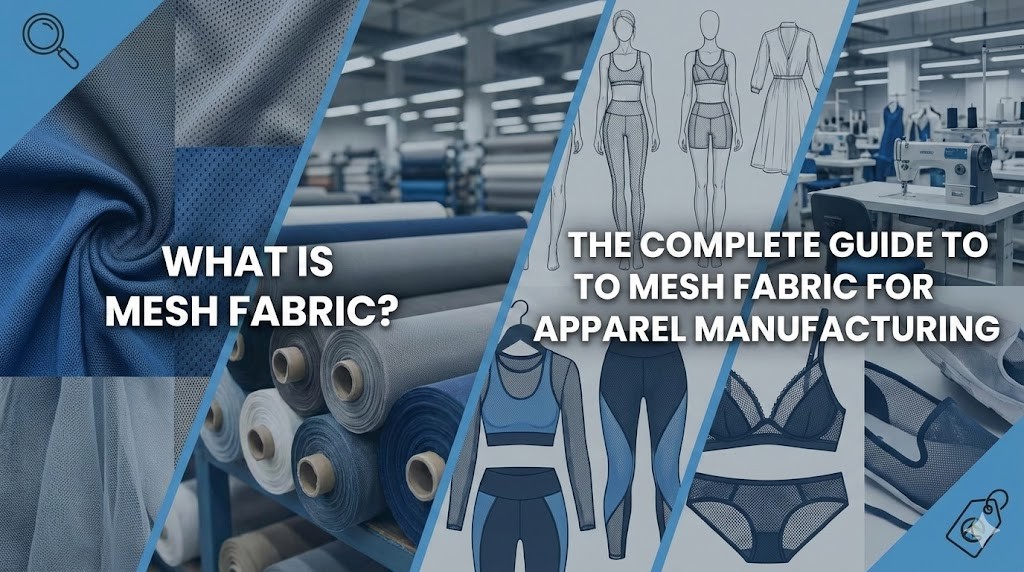
Mesh fabric has become one of the most sought-after materials in sportswear and activewear manufacturing. Its unique breathable structure and versatile performance make it ideal for everything from athletic jerseys to compression garments.
If you're sourcing mesh fabric for your production line, this guide covers what you need to know. We'll walk through the types available, key applications, and what to look for when selecting mesh for your specific needs.
What is Mesh Fabric?
Mesh fabric is a textile characterized by its open, net-like structure with evenly distributed holes throughout the material. Unlike conventional fabrics where fibers are tightly woven or knitted together, mesh incorporates intentional spacing between yarns to create a breathable, lightweight fabric.
This distinctive structure is achieved through specialized knitting or weaving techniques that interlock yarns while maintaining open spaces. The result is a fabric that allows air circulation while maintaining structural integrity and durability.
Originally engineered for athletic applications requiring maximum breathability, mesh fabric has evolved significantly. Modern manufacturing techniques now produce mesh in various weights, opening sizes, and fiber compositions, each suited to different performance requirements. Today's mesh fabrics can be found in everything from professional sports uniforms to high-fashion runway pieces.
The key advantage of mesh fabric lies in its ability to provide ventilation without sacrificing strength. The engineered openings facilitate moisture evaporation and heat dissipation, making it particularly valuable in activewear where temperature regulation matters.
Common Types of Mesh Fabric
Polyester Mesh
Polyester mesh dominates the athletic apparel market and for good reason. Made from synthetic polyester fibers, this mesh type offers excellent moisture-wicking properties and quick-drying performance. It holds up well to repeated washing, resists shrinking, and maintains color vibrancy over time.
Polyester mesh typically ranges from 100-150 GSM (grams per square meter) for athletic wear, providing the right balance between breathability and durability. It's cost-effective compared to other mesh types, making it popular for high-volume production runs. Most sports jerseys, training shirts, and gym wear use polyester mesh as their foundation.
Nylon Mesh
Nylon mesh provides a softer hand feel and superior drape compared to polyester. Made from durable nylon fibers, this mesh type excels in applications where comfort against skin and elegant drape matter most. It offers excellent stretch recovery and maintains shape well through wear and washing.
You'll find nylon mesh in higher-end activewear, compression garments, and fashion athletic pieces where aesthetic appeal complements performance. While it costs more than polyester—typically 20-30% higher—the enhanced comfort and appearance justify the premium for many brands.
Tulle
Tulle is the delicate side of mesh fabric. Made from very fine nylon, polyester, or silk fibers, tulle creates soft, lightweight fabrics used primarily for decorative purposes. Its fine mesh structure makes it popular in formal wear, wedding veils, tutus, and as decorative overlays in fashion garments.
While tulle shares mesh fabric's open structure, it prioritizes aesthetic appeal over performance characteristics. It's more fragile than athletic mesh types but offers an elegant, floating quality that designers value for creating visual interest.
Cotton Pique Mesh
Cotton pique mesh, commonly seen in polo shirts, represents a more subtle approach to mesh construction. The holes in cotton pique are extremely small—nearly invisible to casual observation—created through a special weaving technique that produces a textured, honeycomb-like surface.
This fabric type offers natural breathability and moisture absorption, though it doesn't wick moisture away from skin as effectively as synthetic alternatives. Cotton pique resists shrinking and wrinkling, making it low-maintenance for consumers. However, it lacks the stretch and quick-drying properties of synthetic mesh fabrics.
Key Applications of Mesh Fabric
Athletic and Performance Wear
Mesh fabric dominates sportswear manufacturing. Running shirts, basketball jerseys, soccer uniforms, and training gear all rely on mesh for its breathability and moisture management. Manufacturers strategically place mesh panels in high-heat, high-sweat zones like backs, underarms, and side panels to maximize ventilation.
The athletic market demands mesh that can withstand intense activity, frequent washing, and maintain performance over time. Quality athletic mesh should resist pilling, hold color through 50+ wash cycles, and maintain its shape without bagging or stretching out.
Fashion and Casual Apparel
Designers have embraced mesh as a fashion element, incorporating it into dresses, tops, skirts, and layering pieces. Fashion mesh tends to be finer and more decorative than athletic versions, often featuring patterns, textures, or embellishments like sequins or embroidery.
Mesh overlays create visual interest without adding weight, allowing designers to play with transparency and layering effects. Fashion applications prioritize aesthetic appeal and drape over extreme performance requirements.
Activewear Linings and Inserts
Inside many athletic garments, you'll find mesh linings that create a breathable barrier between skin and outer fabrics. These linings appear in sports bras, athletic jackets, and compression shorts, managing moisture while reducing bulk.
Lining mesh typically runs lighter weight (60-90 GSM) than exterior mesh, providing ventilation without compromising the garment's silhouette or adding unnecessary weight.
Bags and Accessories
The see-through nature and lightweight properties of mesh make it ideal for bags. Gym bags, beach totes, and laundry bags benefit from mesh's ability to let contents breathe and allow visibility. Some fashion bags incorporate mesh panels as design elements, creating modern, sporty aesthetics.
Industrial and commercial applications also use mesh bags for produce, sports equipment, and organizational storage where airflow and visibility matter.
Essential Characteristics of Mesh Fabric
Superior Breathability
Breathability defines mesh fabric's primary advantage. The open structure allows continuous air circulation, facilitating heat dissipation and moisture evaporation. This keeps wearers cooler and drier during physical activity.
The degree of breathability depends on mesh opening size and distribution. Larger, more numerous openings provide maximum airflow but may compromise coverage. Smaller openings balance breathability with opacity.
Lightweight Construction
Mesh fabrics weigh significantly less than solid fabrics of comparable thickness. This reduction in weight enhances comfort, particularly in activewear where every gram matters during extended physical activity. The lightweight nature also makes mesh ideal for travel clothing and packable items.
Excellent Moisture Management
Synthetic mesh fabrics excel at moisture management. Rather than absorbing sweat like cotton, polyester and nylon mesh wick moisture away from skin and spread it across the fabric's surface area for rapid evaporation. This keeps skin drier and reduces chafing during activity.
The wicking efficiency depends on fiber type and any applied finishes. Some mesh comes with enhanced moisture-management treatments that further improve performance.
Durability and Strength
Despite its open structure, quality mesh fabric demonstrates impressive durability. The interlocking yarn structure distributes stress across the fabric, preventing tears and runs under normal use conditions. Well-manufactured mesh resists pilling, maintains shape through repeated wear and washing, and retains color vibrancy.
Durability varies with fiber type, construction method, and quality grade. Industrial mesh can withstand harsh conditions, while fashion mesh prioritizes appearance over extreme durability.
Versatile Stretch Properties
Mesh fabrics range from virtually no stretch (100% polyester mesh) to high elasticity (power mesh with 25-30% spandex). This versatility allows manufacturers to select the right stretch characteristics for each application.
Stretch mesh moves with the body, providing comfort in fitted garments. The best stretch mesh returns to its original dimensions after stretching—called recovery—preventing garments from bagging out over time.
Selecting the Right Mesh Fabric
When sourcing mesh fabric for production, several factors determine the best choice for your specific needs:
Consider the end application.Athletic wear demands moisture-wicking and durability. Fashion pieces prioritize aesthetic appeal and drape. Industrial applications require strength and consistency.
Evaluate weight requirements. Lighter mesh (60-120 GSM) maximizes breathability for summer clothing and linings. Medium weight (120-180 GSM) suits most athletic apparel. Heavier mesh (180+ GSM) provides coverage and support for compression garments.
Assess stretch needs. Fitted garments and compression wear require mesh with spandex content for stretch and recovery. Looser-fitting items or structured pieces work better with stable, low-stretch mesh.
Verify quality standards.Request samples for testing. Wash samples multiple times, check for shrinkage, test color fastness, and verify stretch recovery if applicable. Quality mesh should perform consistently across production batches.
Clarify specifications with suppliers. Specify fiber composition, GSM weight, mesh opening size, stretch percentage, required width, and any special finishes. Clear specifications prevent misunderstandings and ensure you receive exactly what your production needs.
Why Mesh Fabric Matters
Mesh fabric's combination of breathability, lightweight comfort, and versatile performance has made it indispensable across multiple industries. Understanding the different types available, their characteristics, and appropriate applications helps manufacturers select the right material for each project.
Whether you're producing athletic wear that demands maximum performance, fashion pieces that balance style with function, or accessories that benefit from mesh's practical properties, choosing quality mesh fabric from reliable suppliers ensures your finished products meet expectations.
The mesh fabric market continues expanding as manufacturers develop new fiber blends, construction techniques, and finishing treatments. Staying informed about available options and maintaining relationships with knowledgeable suppliers positions your business to take advantage of innovations while ensuring consistent quality in your production.
---
Looking for quality mesh fabrics for your manufacturing needs? Understanding your specific requirements—from fiber composition to performance characteristics—helps identify the right mesh solution. Working with experienced fabric suppliers who can provide detailed specifications, consistent quality, and reliable delivery ensures your production runs smoothly and your finished products perform as intended.