Material Lycra Spandex: The Practical Guide You Actually Need
- Share
- publisher
- Marvin
- Issue Time
- Dec 17,2025
Summary
Shopping for activewear? Confused why some tags say spandex, others say Lycra, and European brands call it elastane? Here's what you actually need to know. The Practical Guide You Actually Need.
The Short Answer
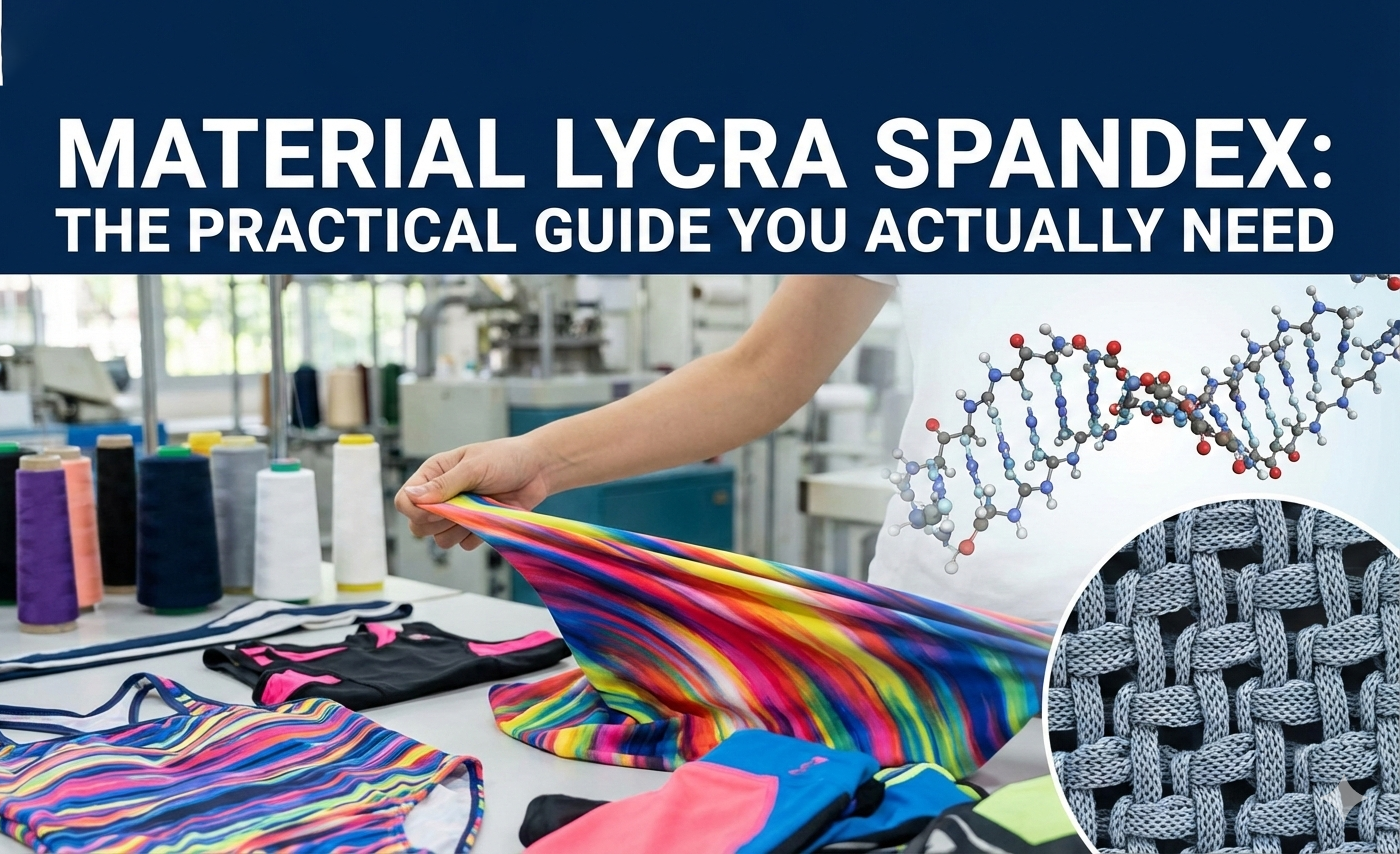
They're the same thing. Lycra is DuPont's brand name for spandex, like how Kleenex is a brand of tissue. Spandex is what Americans call it. Europeans say elastane. All three terms refer to the same stretchy synthetic fiber made from polyurethane.
Why This Actually Matters
The confusion isn't just semantic. When you're buying fabric or finished garments, the quality varies wildly. Here's what separates decent spandex from garbage:
Brand vs. Generic
Branded Lycra from The Lycra Company costs 15-30% more than generic spandex. Is it worth it? Sometimes. Their quality control is tighter, and specialized versions like Lycra Xtra Life (for swimwear) actually resist chlorine damage. For workout clothes you'll beat up 3-4 times a week, the extra cost makes sense. For jeans with 2% stretch? Generic is fine.
Blend Percentages That Actually Work
The percentage matters more than the brand. Here's what works:
• 2-3% spandex: Jeans, dress pants, casual shirts. Just enough give to prevent that stiff feeling.
• 5-10%: T-shirts, everyday dresses. Comfortable without being clingy.
• 15-20%: Yoga pants, running tights, athletic tops. Moves with you during exercise.
• 20-25%: Swimwear Fabric, compression gear. Maximum stretch and support.
Below 15% won't stay opaque when you squat. Above 25% and you're wearing something that feels like a wetsuit.
How to Not Destroy Your Spandex
Heat kills spandex. That's the whole story. Every other care tip flows from this fact.
Washing
Cold water only. Hot water breaks down the polymer bonds. The garment will still look fine for a few washes, then suddenly it's baggy and stretched out.
Skip fabric softener—it coats the fibers and reduces elasticity. If your activewear smells funky even after washing, that's usually softener buildup preventing proper cleaning.
Drying
Air dry. If you must use a dryer, use the coolest setting and pull items out while slightly damp. A single cycle on high heat can permanently damage elasticity.
How to Spot Quality Material
Before buying fabric or finished garments, do these quick tests:
The Stretch Test
Pull the fabric firmly and release. Good spandex snaps back immediately. If it recovers slowly or shows stress marks, pass.
The See-Through Test
Stretch the fabric hard and hold it to light. Quality activewear stays reasonably opaque. If you can easily see through it at full stretch, it's either too thin or poorly made.
The Weight Check
For leggings and athletic wear, look for 240-280 GSM (grams per square meter). Below 220 GSM usually means see-through when stretched. Above 300 GSM gets uncomfortably thick.
Common Problems and Fixes
Your Leggings Are Baggy After 6 Months
You've been using hot water or high heat drying. Or the spandex percentage was too low to begin with (under 15% for activewear is asking for trouble). Quality leggings with 18-20% spandex and proper care should last 1-2 years of regular use.
Swimsuit Feels Loose After Summer
Chlorine damage. Regular spandex breaks down in pool water. You need chlorine-resistant spandex (Lycra Xtra Life or similar). This isn't marketing BS—the chemical structure is actually different. Regular swimsuits last maybe 20 pool sessions. Chlorine-resistant ones go 50+.
New Workout Clothes Smell After One Wear
Bacteria trapped in the synthetic fibers. Wash in cold water with a bit of white vinegar (1/4 cup in the rinse cycle). The acid neutralizes odor-causing bacteria without damaging the fabric.
The Environmental Reality
Spandex is petroleum-based and doesn't biodegrade. A pair of yoga pants takes 20-200 years to break down in a landfill. Even worse, you can't recycle clothes with more than 5% spandex—the elastic fibers jam recycling machines.
Some newer options:
• Bio-based spandex (70% plant-derived) reduces petroleum use but still doesn't biodegrade
• Recycled spandex exists but performance is slightly lower
• Natural alternatives like rubber latex exist but lack the recovery and comfort of spandex
The honest truth: if you need serious stretch and performance, you're using petroleum-based spandex. The best approach is buying quality that lasts rather than cheap stuff you replace every season.
What to Actually Buy
For Regular Exercise (3-5x/week)
Spend the money on branded Lycra fiber. The durability difference is real. Look for 18-22% spandex content and 240+ GSM weight. Budget $60-90 for quality leggings, $40-60 for tops.
For Occasional Gym Visits
Generic spandex is fine. Focus on the percentage (15-20%) and fabric weight rather than brand. You can find decent options for $25-40.
For Swimwear
Only buy chlorine-resistant spandex. Check the label specifically for this feature. Regular spandex swimsuits are a waste of money if you actually swim.
For Everyday Clothes
2-5% spandex content is plenty. Brand doesn't matter. Focus on the overall fabric quality and construction.
Quick Answers to Common Questions
Can I iron spandex?
Low heat only, with a pressing cloth. Better to hang in bathroom while showering—the steam will smooth wrinkles.
Why do my black leggings fade?
UV damage and friction. Turn them inside out when washing, skip the dryer, and store away from direct sunlight.
How long should workout clothes last?
1-2 years with 2-3 wears per week and proper care. If they're dying sooner, you're either buying cheap stuff or using hot water.
Is 4-way stretch better than 2-way?
For activewear, yes. 4-way means the fabric stretches both horizontally and vertically. You need this for yoga, running, or anything with a full range of motion.
The Bottom Line
Lycra and spandex are identical—only the names differ by region and brand. What actually matters:
• Percentage: 15-25% for activewear, 2-5% for casual clothes
• Fabric weight: 240+ GSM for leggings that won't go see-through
• Care: Cold water, air dry, no fabric softener
• Quality: Branded Lycra for heavy use, generic for occasional wear
• Product Advantages: We are a one-stop fabric factory supplier.
• Services: For fabric sampling, parameter customization, and customized solution matching, please contact us immediately for precise one-on-one fabric matching services.
Buy the right blend for your needs, take care of it properly, and it'll last. That's the whole guide.
material lycra spandex